City notebook · 7 min read
A slow morning inside Galle Fort
Before the shutters open, the old sea walls belong to walkers and crows.
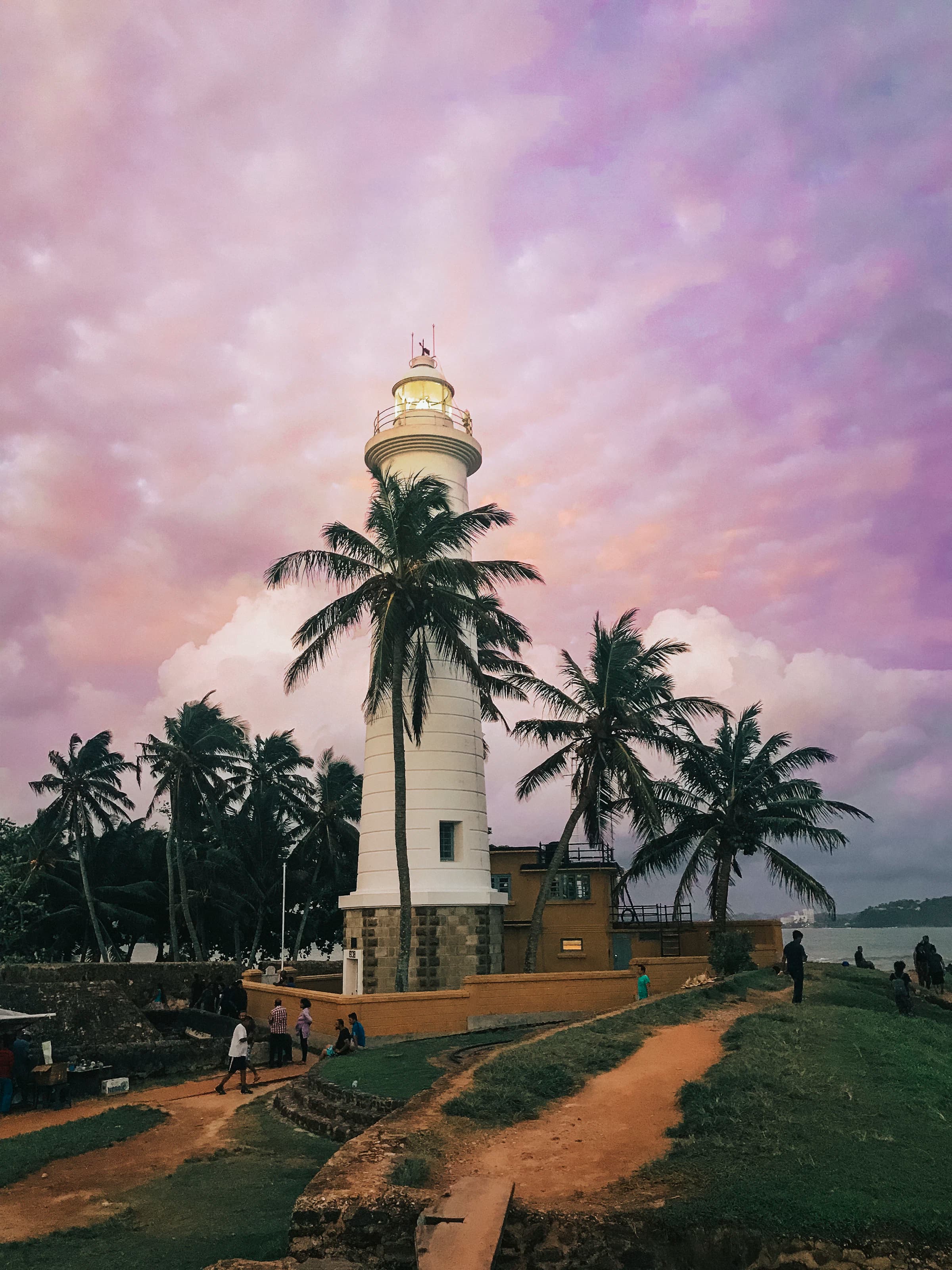
Galle is best before the day becomes hot. Walk the ramparts clockwise from the lighthouse, when fishermen are packing lines and the stone still holds the night’s cool.
Inside the walls, the lanes carry centuries without becoming a museum. Homes, courts, schools, cafés and workshops continue behind the old facades.
Stop for egg hoppers, then wander without a list. The fort is compact enough to get pleasantly lost and find the sea again.
A short history of Galle Fort
The Portuguese first fortified Galle in the late sixteenth century; the Dutch rebuilt and expanded the walls from 1649, and the British later added their own layer. Today the fort is a UNESCO World Heritage Site and one of the best-preserved colonial-era fortified towns in South Asia.
It is still a lived-in town. Families who have stayed for generations share the lanes with boutique hotels, mosques, churches, temples, schools and small workshops.
Things to do inside the fort
Walk the ramparts from the lighthouse to Flag Rock, visit the Dutch Reformed Church and the old warehouses, and browse the lacework, gem and tea shops on Church Street and Pedlar Street.
At sunset, locals and visitors gather on the walls to watch the light change over the harbour. The cricket ground just outside the walls is worth a look if a match is on.
Best time to visit Galle
The south-west coast is at its best from December to April, when seas are calmer and days are mostly dry. Galle is pleasant year-round, but May to September brings more rain and rougher water for swimming at nearby beaches.
How long to stay
One night inside or near the fort is enough to see it slowly; two nights lets you add Unawatuna, Jungle Beach, a stilt-fishing stop or a day in the Kottawa rainforest. Galle is around two hours from Colombo Airport by the Southern Expressway, which makes it a calm final stop before your flight.
Next story